

Radiology
EMC X-ray
- Daily and around the clock. X-ray and X-ray examinations of any degree of complexity for adults and children.
- Emergency examinations without waiting lists and appointments.
- Expert-class digital equipment is highly sensitive and can reduce radiation exposure many times over.
X-ray examinations
X-ray examinations are the first link in the diagnostic search for various diseases and pathologies. Among all instrumental examinations, X-ray takes the least time.
EMC patients have access to:
- Examination of the chest organs
- Examination of the organs of the gastrointestinal tract
- Retrograde pancreatocholangiography
- Examination of the organs of the genitourinary system
- Fistulography
- Radiography and fluoroscopy of skeletal bones
- Radiography of the paranasal sinuses
- Radiography of the nasopharynx, etc.
The latest SIEMENS X-ray machine in the clinic on Shchepkina St.
The full range of radiological examinations with minimal radiation exposure thanks to the latest device: SIEMENS Luminos dRF Max, Germany is now available at the clinic on Shchepkina St. The fully digital X-ray system provides the highest quality and maximum comfort for adults and young patients.
X-ray examinations of the head, thoracic and abdominal organs, gastrointestinal tract, cardiovascular system, musculoskeletal system, including high-precision orthopedic images of the lower extremities and spine (along the entire length).
The device provides maximum functionality of the positions, the position of the table is adjustable from 48 cm from the floor, which increases the patient's comfort during research.
Where can I get an X-ray for my child?
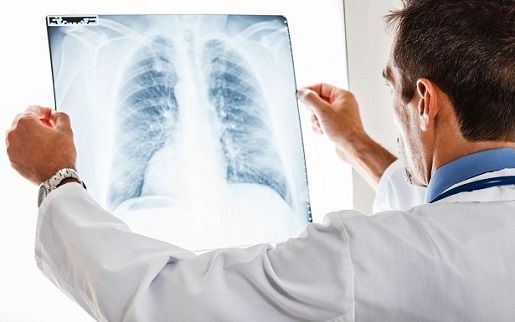 Standard radiography for small EMC patients is performed at a Children's Clinic.In a very cozy children's environment, with lots of toys, the child is given the full range of X-ray examinations prescribed by the attending physician.
The entire clinic staff has extensive experience working with children and finds an approach to each baby.
High-quality studies with minimal radiation exposure are carried out on a digital X-ray machine. This equipment allows you to get a detailed picture of the smallest structures of the baby's body.
Only pediatric radiologists who have extensive experience working with young patients and who know the age characteristics of the child's body work in the X-ray room of the Children's Clinic.
Radiography is the most accessible, multidisciplinary (applicable in all fields of medicine) diagnostic method.Radiologists apply European diagnostic protocols and work closely with pediatric specialists of all profiles.
In the EMC Children's Clinic in Moscow, young patients can have an X-ray:
- chest organs;
- abdominal organs;
- sinuses and nasopharynx;
- spine standing/ lying down, with functional tests, with the function of "stitching" to assess deformities of all parts of the spine on a single film;
- all joints, large and small bones of the skeleton;
- urinary system.
You can get an X-ray at the EMC in Moscow24 hours a day, 365 days a year. Prices for X-ray examinations can be specified in The clinic's price list.
Preparation for the study
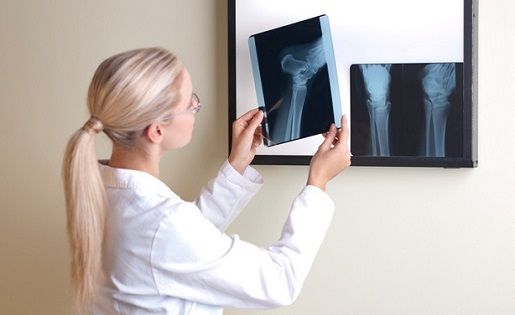 A standard X-ray examination does not require any preparation from the patient - it will only be necessary to remove objects with metal elements (chains, pendants) falling into the study area and follow the instructions of the laboratory technician. X-ray examination, as a rule, does not take more than 10 minutes (taking into account the patient's positioning and taking a series of pictures). The process itself, which requires the patient to remain motionless, takes several seconds.
Radiography of the upper gastrointestinal tract (esophagus, stomach, initial sections of the small intestine)
A sugar-free diet should be followed for two days before the study. It is not recommended to eat legumes, black bread, milk, carbonated drinks, vegetables, fruits, semi-finished products, sweets. Buckwheat, oats, lentils, rice, tea, fermented dairy products (if there is no intolerance), lean meat, fish, vegetable soups are allowed. The study is conducted in the morning, on an empty stomach. The last meal is the day before at 19:00, after that only sweet tea is allowed. On the day before the study, it is necessary to refrain from smoking.
Irrigoscopy (X-ray examination of the colon)
Within two days before the study, you should follow a grain-free diet. The study is conducted in the morning on an empty stomach. The last meal is the day before at 19:00, after that only sweet tea is allowed. You should perform two cleansing enemas (the first on the evening before the study, and the second on the morning before the study) or take a laxative: for example, fortrans or dufalac, starting at 4 p.m. on the day before the study. Each sachet is diluted in 1 liter of water, with a body weight of 70 kg, take 3 sachets, 70 kg – 2 sachets (drugs are purchased by the patient independently) .Defecography (functional examination to assess the condition of the rectum)
Within two days before the study, you should follow a grain-free diet. The study is conducted in the morning on an empty stomach. The last meal is the day before at 19:00, after that only sweet tea is allowed. You should perform two cleansing enemas (the first on the evening before the study, and the second on the morning before the study) or take a laxative: for example, fortrans or dufalac, starting at 4 p.m. on the day before the study. Each sachet is diluted in 1 liter of water, with a body weight of 70 kg, take 3 sachets, 70 kg – 2 sachets (drugs are purchased by the patient independently) .Intravenous (excretory) urography
Within two days before the study, you should follow a grain-free diet. A light dinner is allowed on the eve of the study day. The study is conducted in the morning on an empty stomach or (if the study is scheduled for a later time) in the morning on the day of the study - a light breakfast. Before the study, fortrans is taken in the department (diluted in water and given out by the treatment nurse). To do this, you must arrive at the department 1 hour before the examination.Important! It is recommended to discontinue metformin-containing drugs (tablets for lowering blood sugar levels) 24 hours before the study and within 48 hours after.
Excretory urography in a child
3 days before the study, limit the intake of gas–forming foods and follow a slag-free diet if the baby is breastfed - all these restrictions apply to the nursing mother. Legumes, black bread, milk, carbonated drinks, vegetables, fruits, semi-finished products, and sweets are not recommended. Buckwheat, oats, lentils, rice, tea, fermented dairy products (if there is no intolerance), lean meat, fish, vegetable soups are allowed. 1 day before the study, medications that reduce intestinal gas filling and / or sorbents (espumizan, smecta, enterosgel, filtrum, activated charcoal, etc. – will be prescribed by the attending physician) should be taken. On the day of the study, 2-3 hours before the procedure, a light breakfast is served (to reduce "hungry gases"). Before starting the study, it is necessary to empty the bladder (before entering the X-ray room, they always suggest going to the toilet, even if you "don't want to").
Why the EMС
The first and only clinic in Russia, created in the image of the world's leading clinics

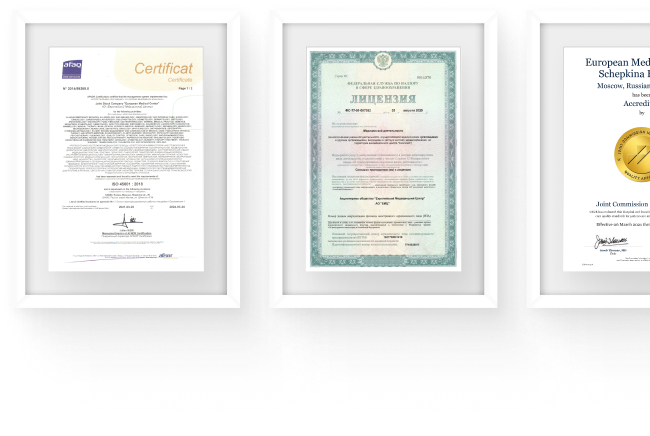
Doctors


- Actively participates in the work of scientific and research institutions
- He currently holds the position of Professor of Radiology at Hadassah Hospital. Member of the Education Committee of Hebrew University – Hadassah School of Medicine
- Awarded for outstanding contribution to Israeli Healthcare - Israeli Medical Association