
Flu test
How to distinguish flu from SARS?
A viral infection (often referred to as a "cold") is usually accompanied by symptoms such as nasal congestion, runny nose, and sneezing. Sometimes there may be a sore throat and cough, occurring on the background of a runny nose.
Unlike a viral infection, the flu is manifested by fever, feeling unwell, headache, and aching bones and joints. Catarrhal phenomena in the form of a runny nose join only after a few days.
As part of the differential diagnosis, doctors perform an express test (analysis) for influenza virus types A and B.
When you may need a flu test at home
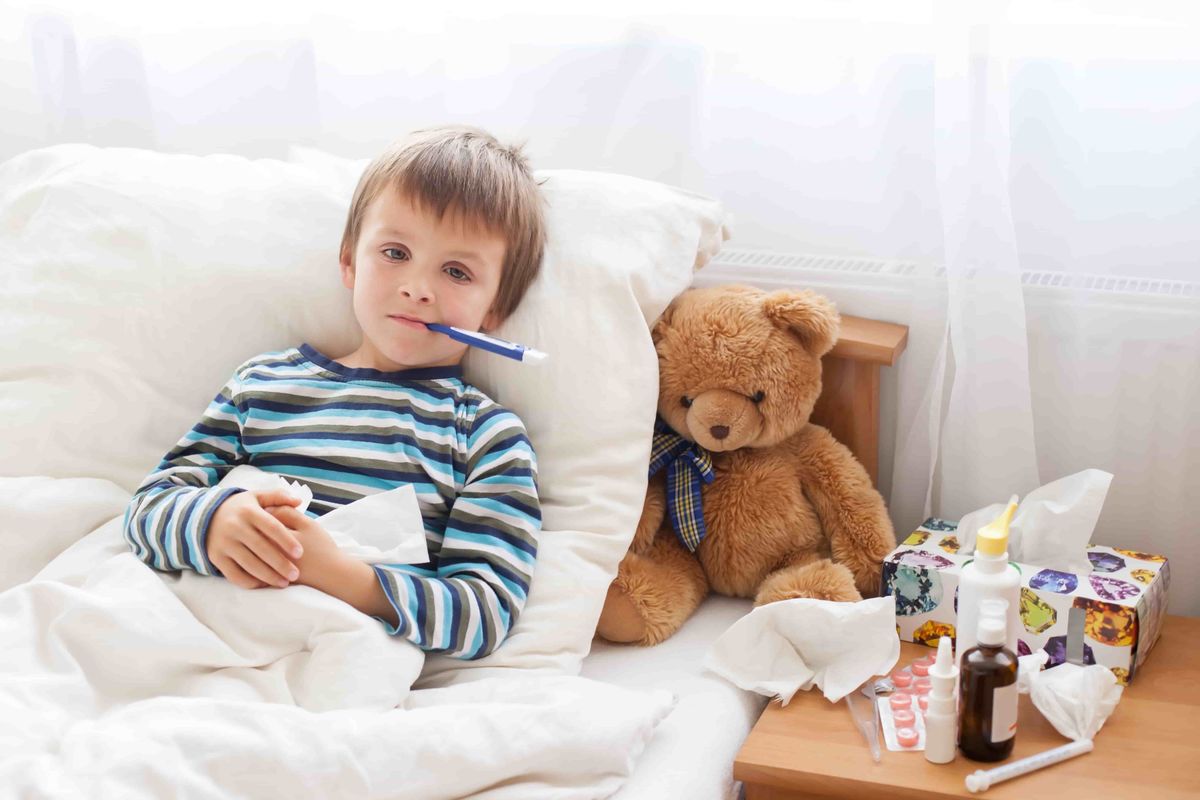 Rapid test is not painful, scary and fast. The doctor can take a swab from the mucous membrane of the child's nose or throat right at the reception, and after 5 minutes you will receive confirmation of the diagnosis of influenza with clarification of the type of virus.
If the baby is sick and feels very unwell, you have the opportunity to call a pediatrician at home. All EMC doctors always have diagnostic kits with them. You do not need to come to the clinic or go to the laboratory specifically, donate blood from a vein for analysis and wait for the results for several days. And most importantly, the result will be obtained immediately and the treatment will be prescribed in a timely manner.
Advantages of rapid diagnosis of certain types of infection at home
EMC conducts rapid tests to detect not only the influenza virus, but also streptococcal infection and MS virus infection.
Why conduct rapid tests?
If a child has an infectious disease, it is very important to understand what kind of pathogen it is caused by:
-
If a child has acute respiratory viral infections, there is no specific therapy, and the doctor will prescribe symptomatic treatment.
If a child has the flu, it is important to make a correct diagnosis and start taking a specific anti-flu medication within the first day of the onset of the disease.
- If a child has a streptococcal infection, he is prescribed antibacterial therapy. In the absence of treatment, complications of the cardiovascular system, kidneys, and joints may occur. A timely and correct diagnosis will help to prescribe the right treatment and avoid complications. The MS virus is one of the most common causes of respiratory tract infections in newborns (especially premature and underweight) and young children. This virus is the cause of bronchiolitis and pneumonia in children under 1 year of age, which are accompanied by respiratory disorders and lead to hospitalization.
Why the EMС
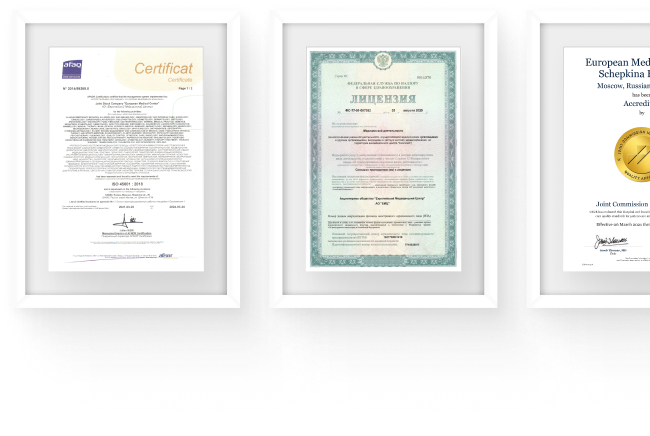
The first and only clinic in Russia, created in the image of the world's leading clinics

Get help
Specify your contacts and we will contact you to clarify the details.
Doctors

Kaabak Mikhail
Head of the Surgical Clinic , Professor, Doctor of Medicine
-

Vasiliy Ermakov
-

Amina Ibragimova
Pediatrician, emergency care
-

Pavel Chernyshev
Pediatrician, emergency care
-

Lyusine Movsesyan
-

Aleksandra Kuskova
-

Bairta Dorzhieva
-

Svetlana Grigoreva
Pediatrician at the Children's hospital
-

Artyem Lyagin
-

Igor Kovalyunas
-

Anastasiya Medikova
-

Yanar Eda
-

Vasilevskaya Irina
Pediatric cardiologist, polyclinic, Ph.D. of Medical Sciences
-

Tsitlidze Nana
Ph.D. of Medical Sciences
-

Pritchina Natalya
Pediatrician, polyclinic
-

Samsonovich Inna
Pediatrician, polyclinic and emergency care, Doctor of the highest category
-

Istomina-Luiza
Doctor-clinical psychologist
-

Fayko Alexandra
-

Lahai Yakim
-

Popova Irina
Polyclinic and hospital, Ph.D. of Medical Sciences, Doctor of the highest category
-
Kaabak Mikhail
Head of the Surgical Clinic , Professor, Doctor of Medicine
- Under the leadership of M.M. Kaabak, programs for the treatment of patients with severe diseases have been created and continue to function: the kidney transplantation program for adults and children of the B.V. Petrovsky Russian National Research Medical Center and the kidney transplantation program of the FSAU National Research Medical Center for Children's Health
- In the personnel reserve of the Federal Center for Disaster Medicine of the Ministry of Health of the Russian Federation since February 2025
Total experience
35 years
Experience in EMC
since 2026